
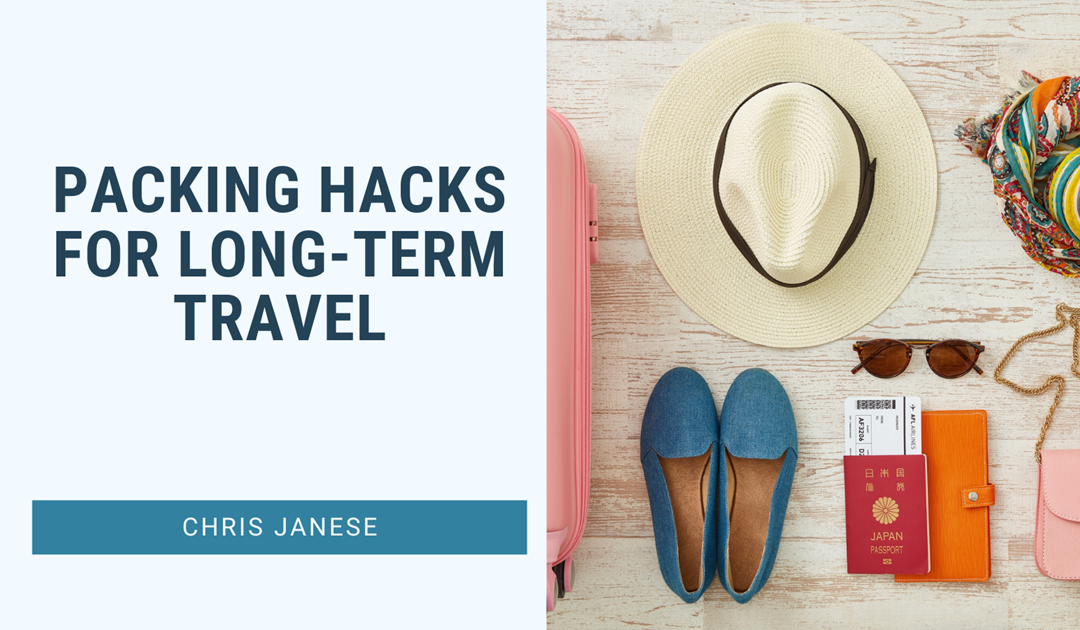
Long-term travel brings the joy of exploring new places and cultures for extended periods, but it also comes with the challenge of packing efficiently. When you’re living out of a suitcase or backpack for weeks or months, every item matters. Mastering the art of packing can make your trip more comfortable and less stressful, allowing you to focus on experiences rather than logistics.
The first rule of long-term travel packing is to choose the right luggage. Whether you prefer a suitcase with wheels or a large travel backpack depends on your destination and travel style. Backpacks are more convenient for places with uneven streets or public transportation, while suitcases can offer more organization. Whichever you choose, opt for durable, lightweight, and spacious designs with compartments that help keep items sorted.
Next, focus on clothing. The key is versatility. Stick to a color palette so your clothes can mix and match easily, and prioritize layers over bulk. Lightweight shirts, pants that convert to shorts, a compact rain jacket, and a few warmer layers can go a long way. Pack enough outfits for one week, even if you’re traveling for several months. Most destinations have laundry services, and it’s much easier to wash clothes on the road than to lug around unnecessary items.
Shoes are among the bulkiest items, so limit yourself to two or three pairs at most. A good pair of walking shoes or sneakers is essential, along with sandals or flip-flops for warmer destinations or hostel showers. If you’re heading to colder areas or doing a lot of hiking, consider a pair of sturdy boots—but wear them while in transit to save space in your bag.
Organizing your belongings is crucial. Packing cubes are a game-changer for long-term travelers. They keep your clothes neatly compressed and sorted, making it easy to find what you need without unpacking everything. Use one cube for tops, one for bottoms, and another for undergarments and sleepwear. Compression bags can also help if you need to pack bulkier items.
Toiletries should be kept to a minimum. Travel-sized bottles of shampoo, conditioner, and soap are ideal, and you can always refill them along the way. A solid shampoo bar is a great space-saving and eco-friendly alternative. Don’t forget essentials like a toothbrush, razor, and a small medical kit with items like pain relievers, bandages, and any necessary prescription medications.
Tech gear can easily weigh you down, so be selective. A smartphone with a good camera can often replace a separate camera. A lightweight laptop or tablet may be useful for remote work or entertainment. Don’t forget universal adapters, power banks, and cords. Keep everything organized in a compact tech pouch.
Documents are critical. Bring your passport, visas, travel insurance, and copies of important IDs. Scan and upload digital copies to a secure cloud platform in case anything gets lost or stolen. A travel wallet or document organizer can keep everything in one place and easy to access.
Leave space in your luggage for souvenirs or items you’ll pick up during your journey. You don’t want to be stuck repacking every time you move. Consider a foldable daypack for excursions and extra storage when needed.
Lastly, review your bag before you leave and remove anything you don’t absolutely need. It’s tempting to overpack, but long-term travelers almost always find that they could’ve brought less. Aim for practicality, portability, and flexibility.
Smart packing can turn a chaotic travel experience into a smooth, enjoyable adventure. With thoughtful planning and the right tools, you can roam the world freely without being weighed down by excess baggage.